A quantum computer on your desk: 35 qubits on an ordinary PC.
Something that normally takes a server with a huge amount of memory, Coolblack has done on a single PC: its quantum simulator Qubitwerk has fully computed a 35-qubit circuit. Anyone can try it for free at qubitwerk.com.
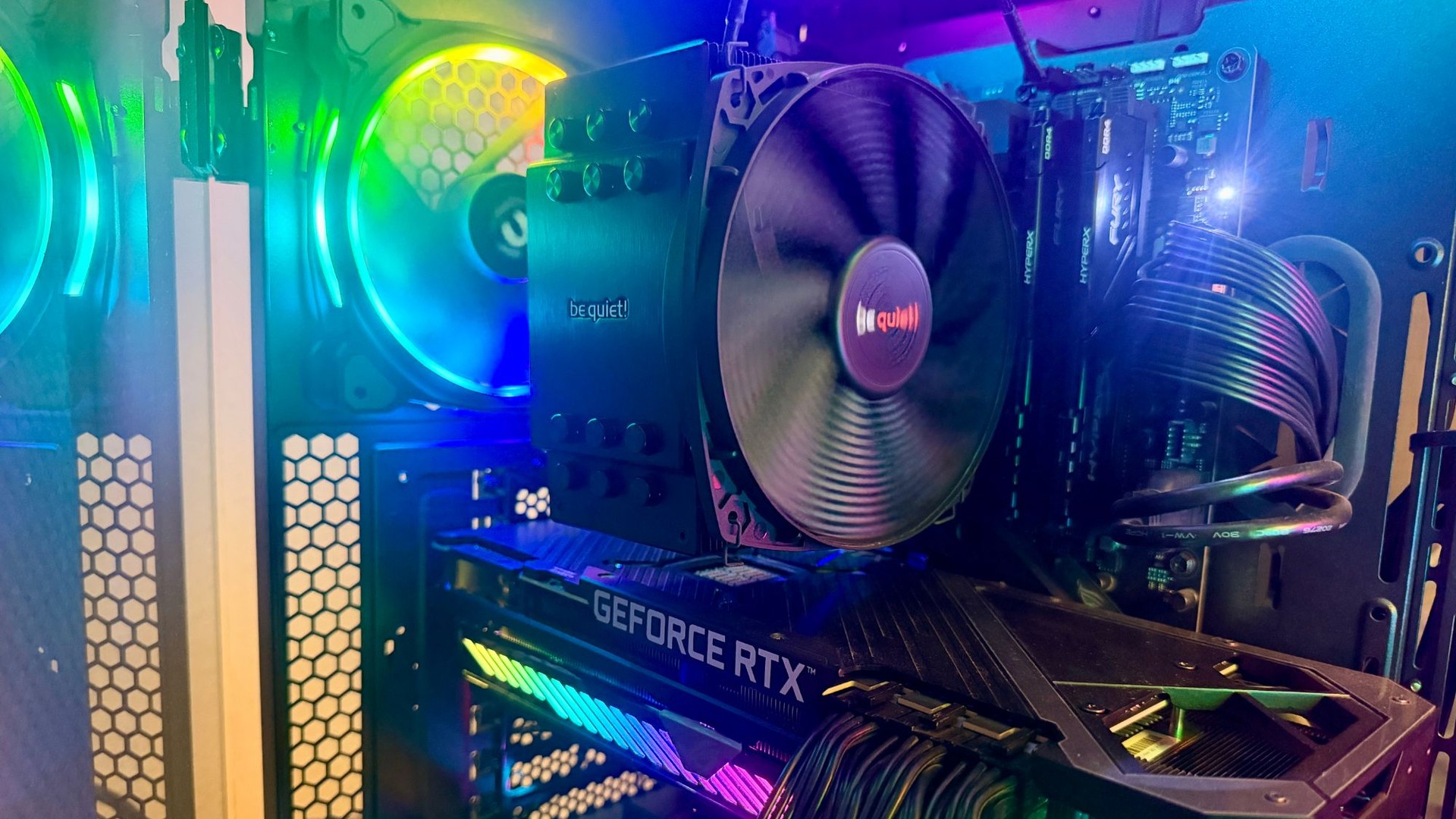
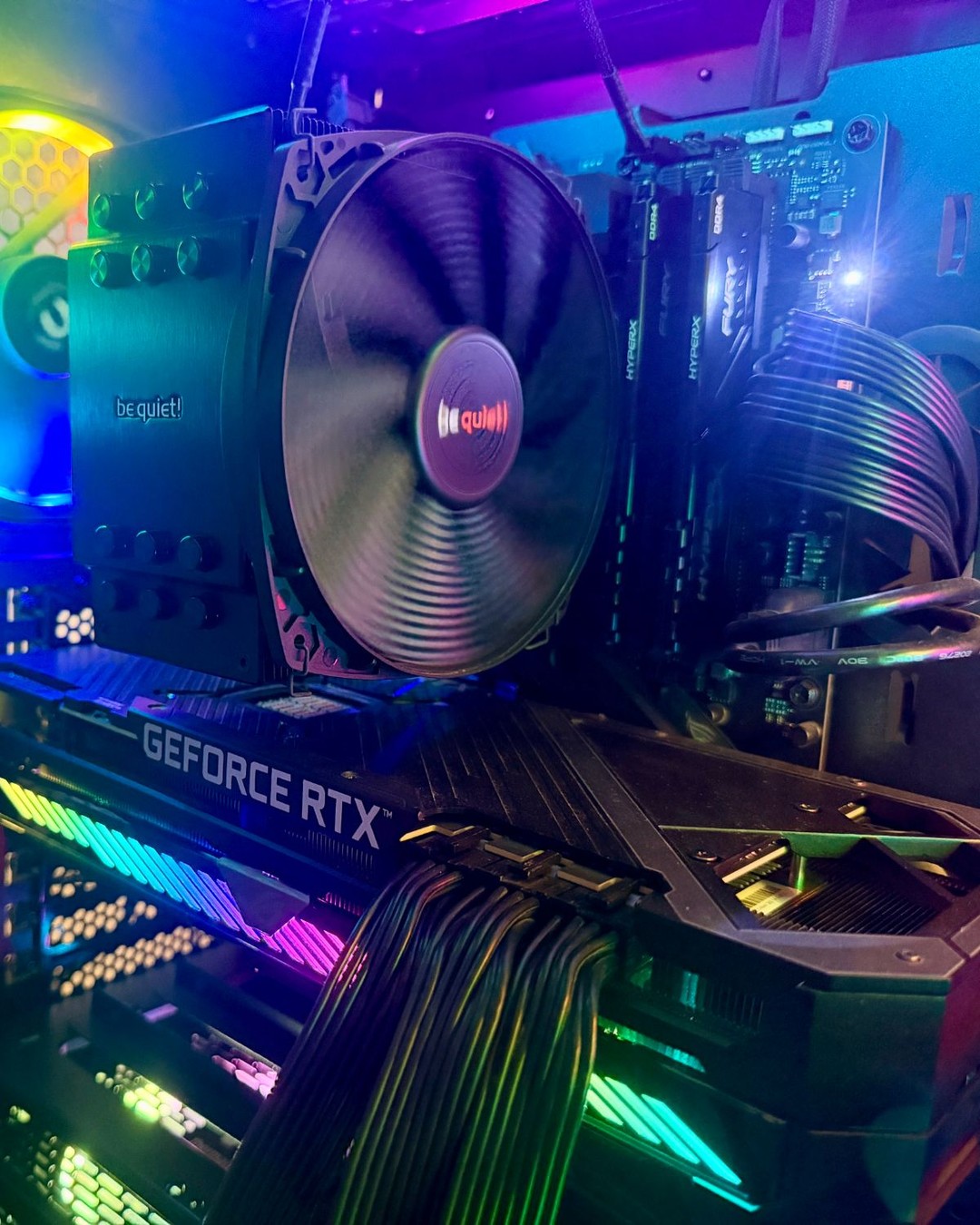
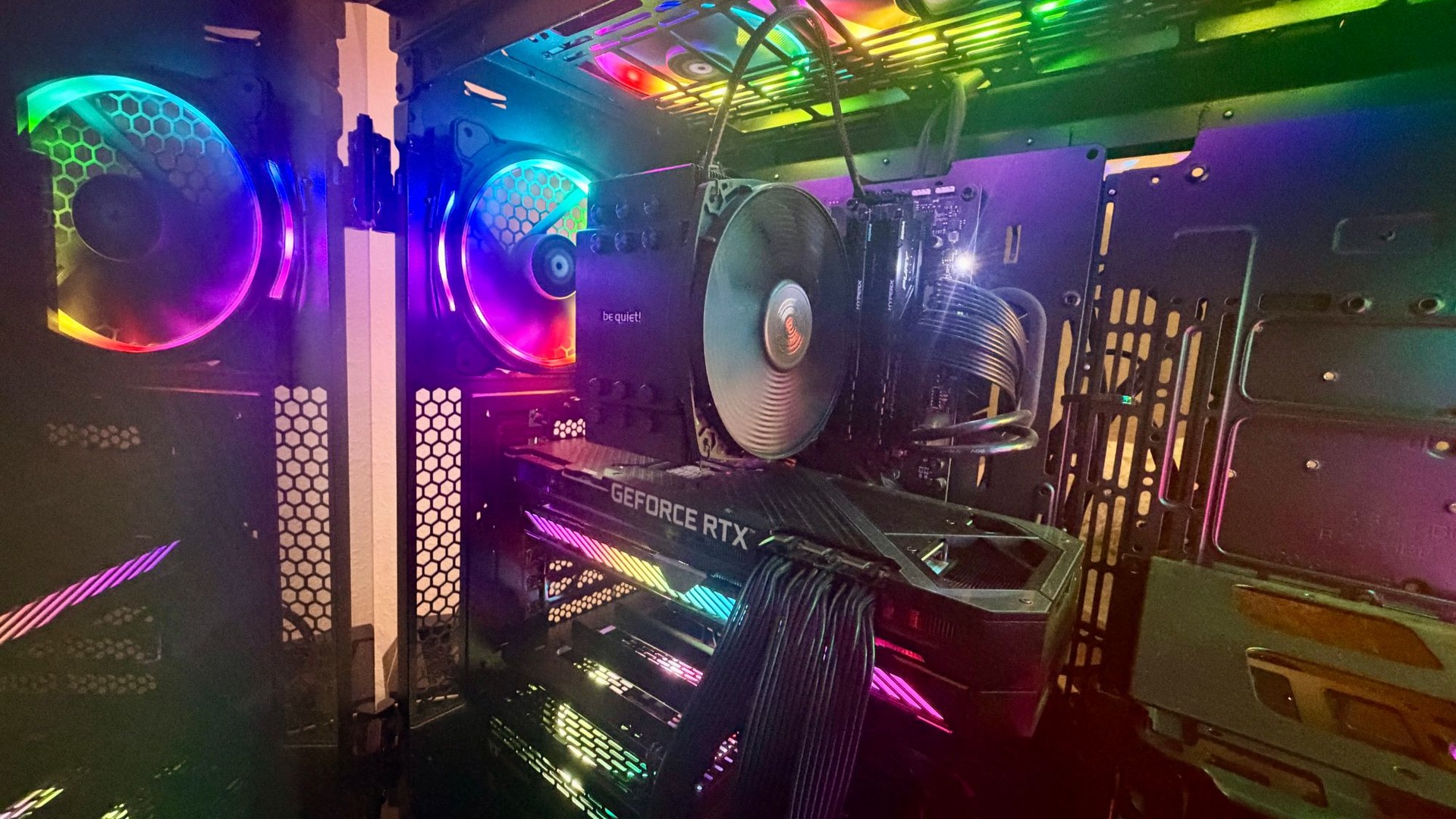
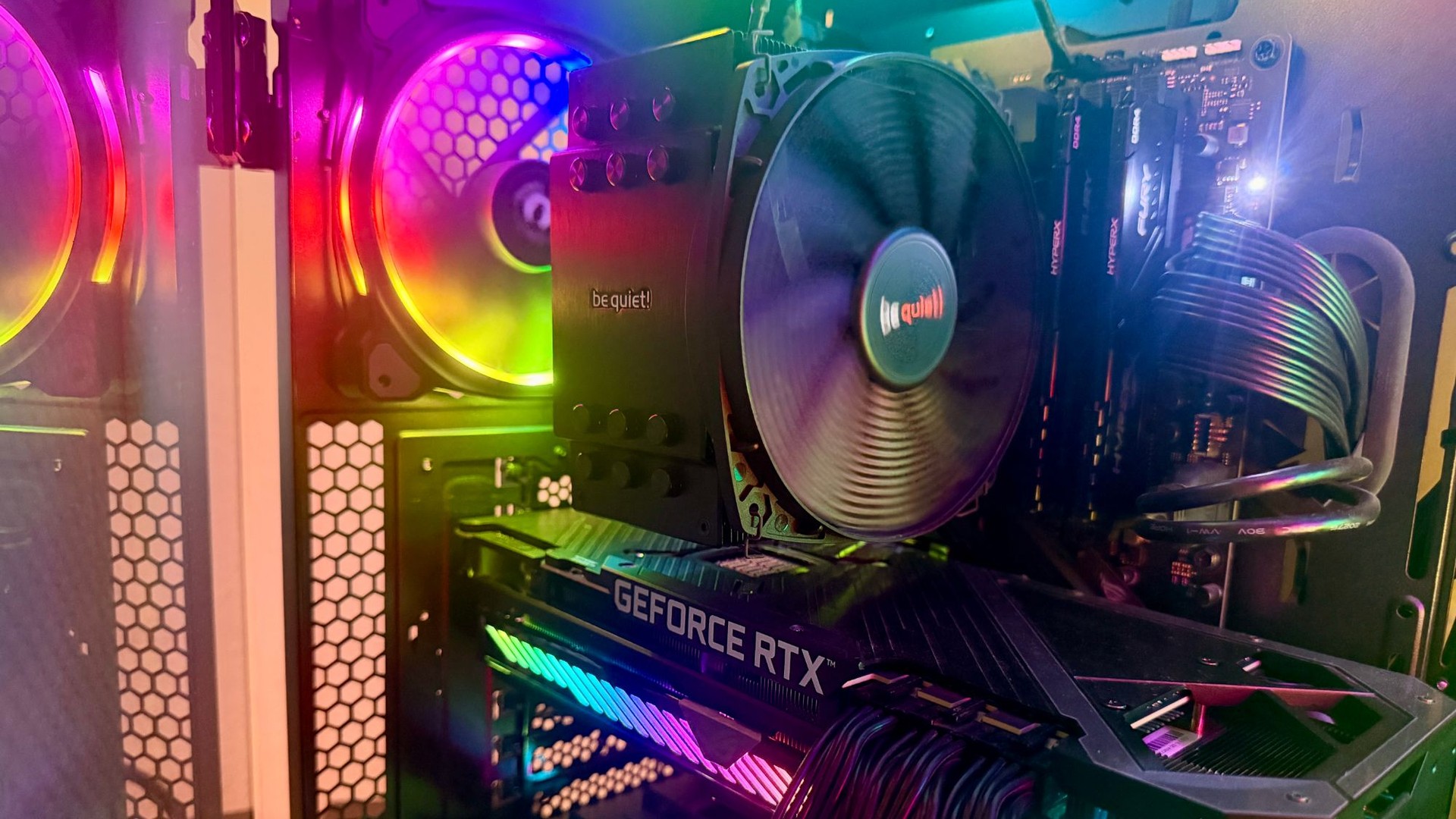
35 qubits: 34,359,738,368 complex amplitudes. The graphics card processed the 512 GiB state block by block from the SSD; computing time 10.8 hours.
Test series: twelve predefined jobs with 12, 22, 26 and 28 qubits, median of three complete runs. Reference: Qiskit 2.6.0, Qiskit Aer 0.18.0 (GPU state vector). Total time including process start was measured; internet, queue and animation are not included.
A quantum computer calculates with qubits. To recompute them exactly on an ordinary computer, every additional qubit doubles the memory needed. For 35 qubits that means more than 34 billion complex numbers and 512 GiB, far more than fits into a PC’s memory.
On 20 September 2026, Qubitwerk therefore streamed this state block by block from the SSD to an off-the-shelf NVIDIA RTX 3090 graphics card and computed it there. The run took 10.8 hours, in double precision.
About twice as fast in testing
The simulator is also getting faster. In a test series on 31 October 2026 with twelve mixed jobs from 12 to 28 qubits, a new Qubitwerk prototype took 12.23 seconds. The established software Qiskit Aer needed 24.58 seconds on the same PC. All 108 result comparisons passed the accuracy limits set in advance.
“Already today on an ordinary computer”
“Quantum computers sound like the future and big science. We want to show how much of it you can already understand and try out on a perfectly ordinary computer today,” says Dirk Nesner, Managing Director of Coolblack GmbH.
Try it yourself
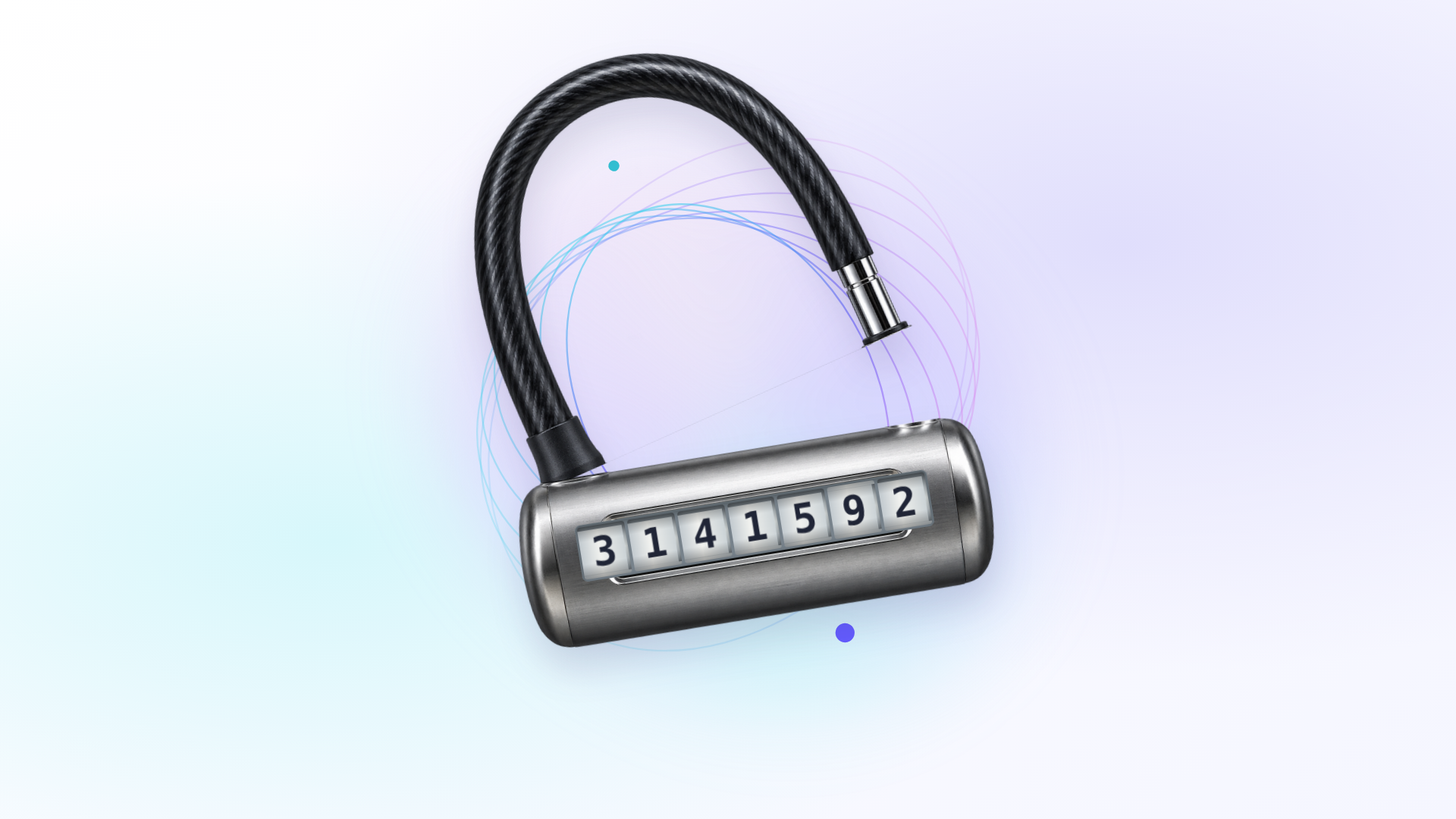
On qubitwerk.com, visitors set their own test code on a virtual combination lock, and the simulator searches for it with Grover’s quantum search among ten million possibilities, or even a hundred million. There is also a playground for building quantum circuits, a simulated diamond qubit and explainer pages such as “What is a quantum computer?”. For schools, Coolblack is developing a free iPad app that brings the topic to life in a single lesson.
Photos of the computer on which the 35 qubits were computed, an image from the combination lock experiment, logo and press text. More animations are in the combination lock story.